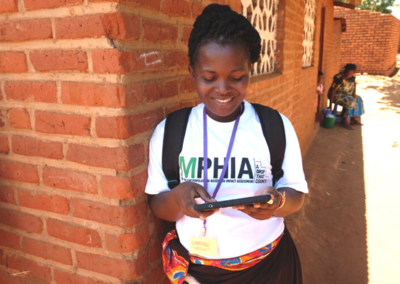
The Government of Malawi, through the Ministry of Health, launched its second Malawi Population-based HIV Impact Assessment (MPHIA 2020) survey on January 14, 2020 to assess the current status the HIV epidemic in Malawi.







The Government of Malawi, through the Ministry of Health, launched its second Malawi Population-based HIV Impact Assessment (MPHIA 2020) survey on January 14, 2020 to assess the current status the HIV epidemic in Malawi.
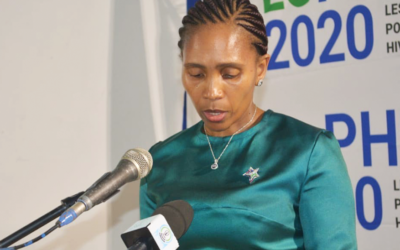
On November 20, 2019, Her Majesty Queen ‘Masenate Mohato Seeiso launched the second Lesotho Population-based HIV Impact Assessment survey (LePHIA 2020).

Over the past four months, a familiar refrain was heard throughout the cities, towns, and villages of Zimbabwe. The ‘Knock Knock’ song, which was instrumental to the success of the first Zimbabwe Population-based HIV Impact Assessment (ZIMPHIA) survey, heralded the new survey and with the message of a new chance for the country to take stock of what has been achieved towards controlling its devastating HIV epidemic.
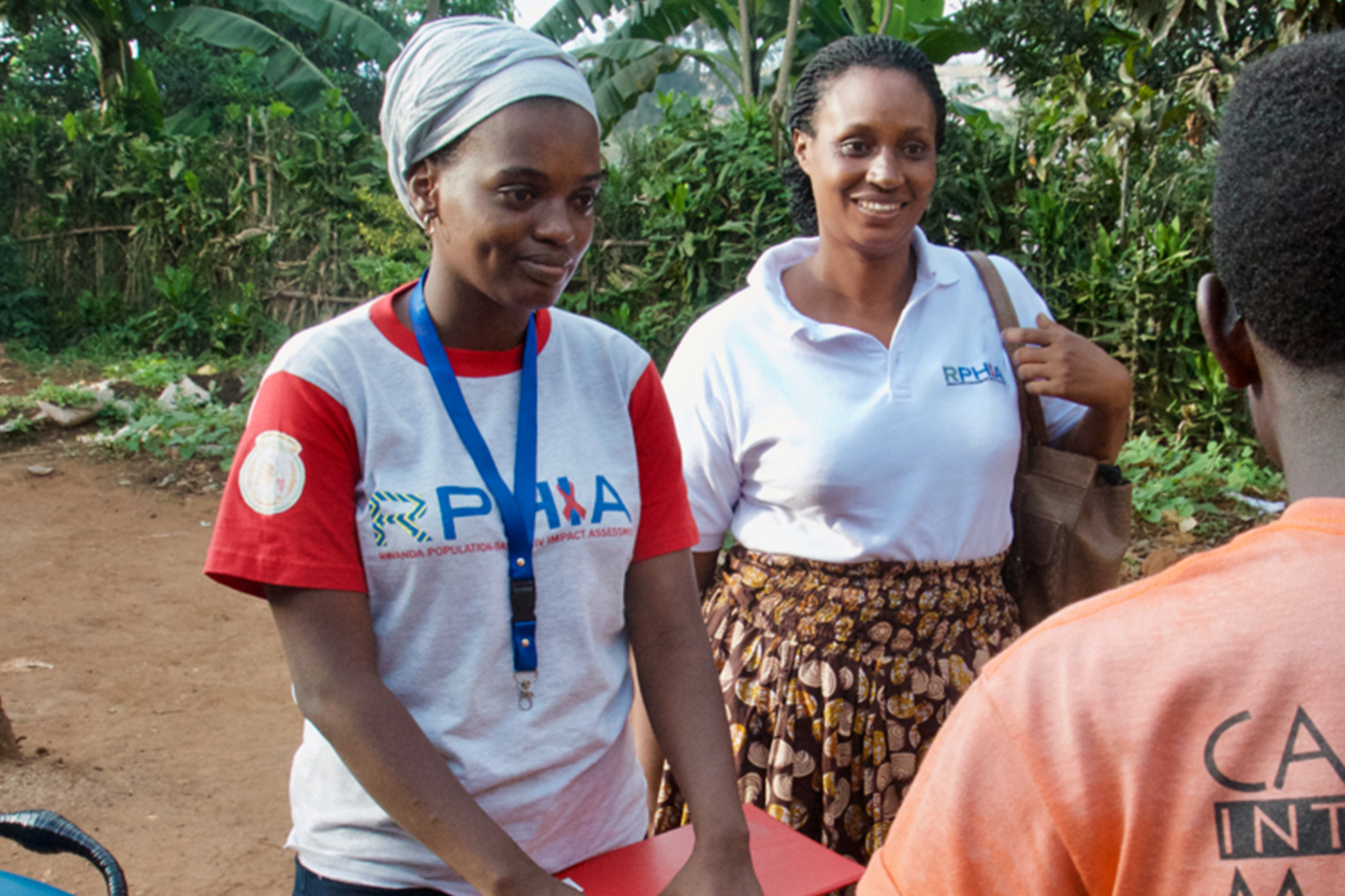
The Government of Rwanda, the U.S. President’s Emergency Plan for AIDS Relief (PEPFAR), the U.S. Centers for Disease Control and Prevention (CDC), and ICAP at Columbia University released new data today that demonstrate Rwanda’s remarkable progress toward achieving HIV epidemic control — particularly in attaining high levels of linkage to treatment and viral load suppression among people living with HIV.
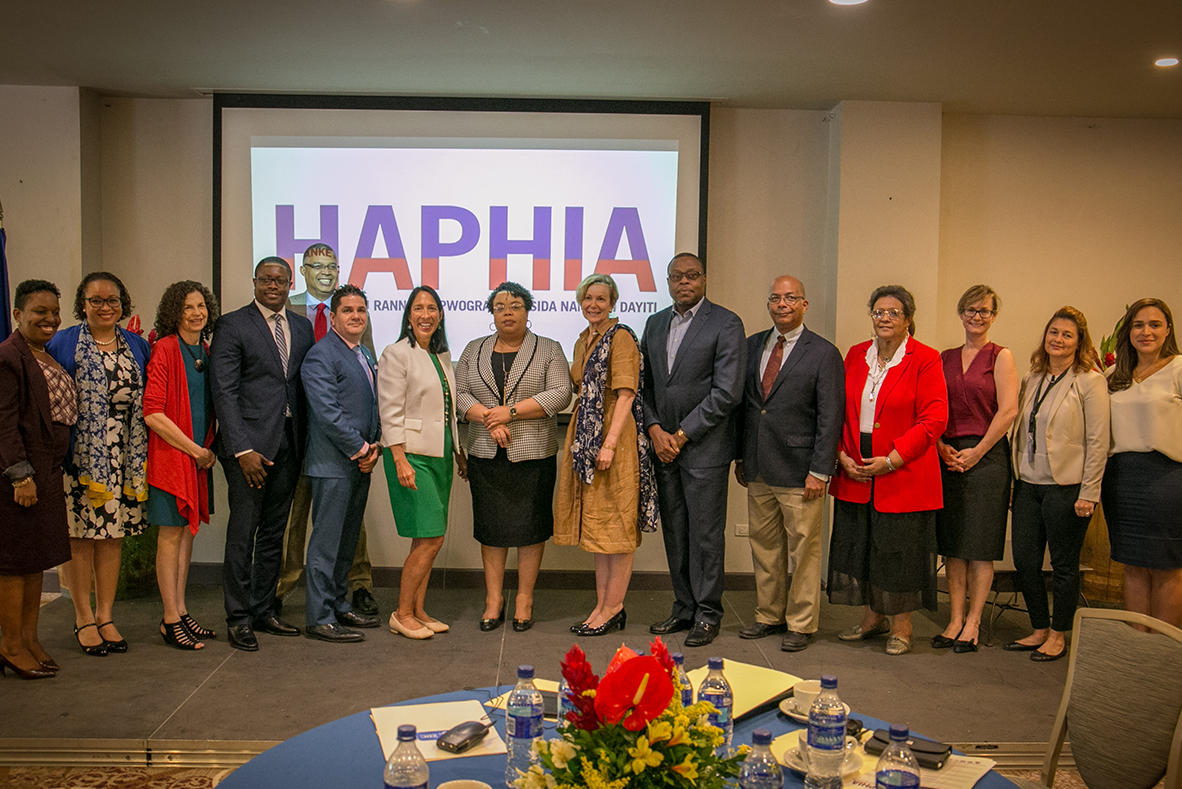
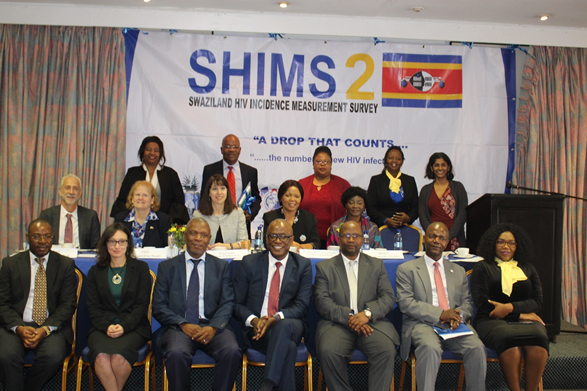
The Government of the Kingdom of Eswatini (GKoE) remains the country with the highest HIV prevalence in the world, with nearly 1 in 3 adults (15 years and older) living with HIV. Over the last decade, the expansion of HIV testing and increase in the number of individuals living with HIV on antiretroviral treatment has demonstrated substantial progress in the nation’s HIV response.
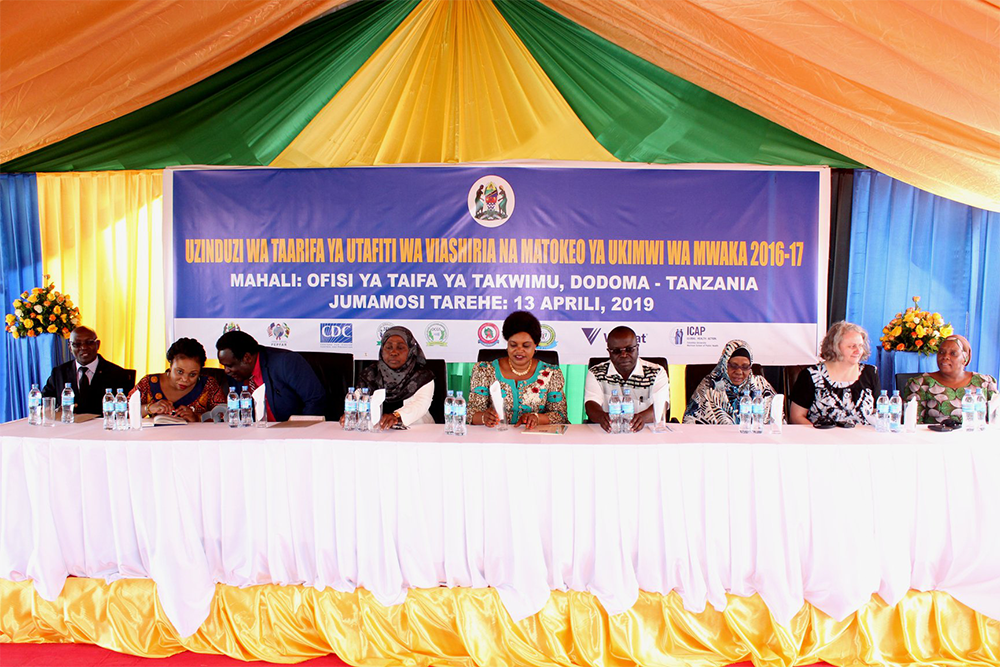
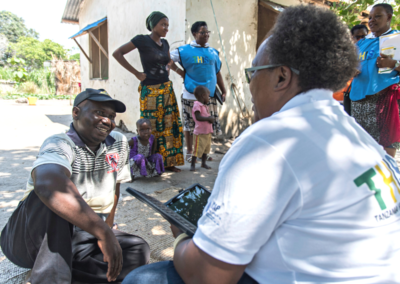
Tanzania, which has been one of the countries at the epicenter of the HIV epidemic in sub-Saharan Africa, now has a critical set of data about its progress in addressing HIV among its people – and equally critical insight into the work that still lies ahead.
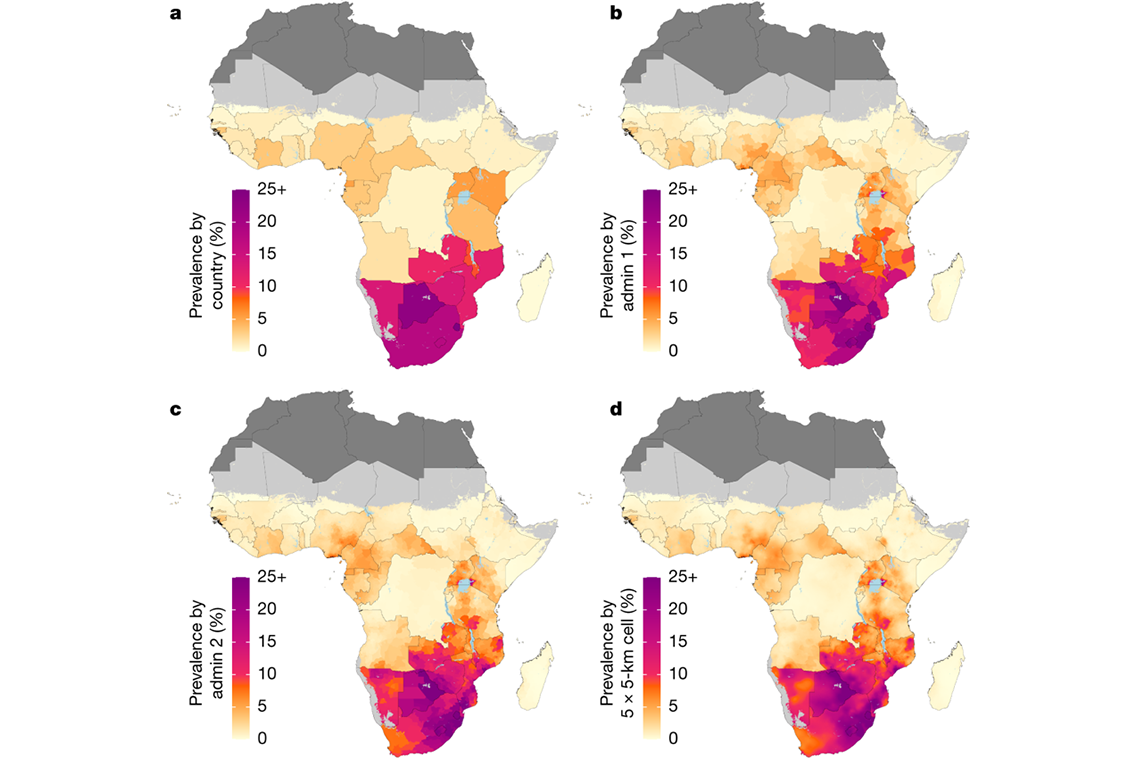
A new study co-authored by Jessica Justman, MD, Senior Technical Director at ICAP at Columbia University and Associate Professor of Medicine in Epidemiology at Columbia’s Mailman School of Public Health, captures the evolution and variation of the HIV epidemic over space and time in sub-Saharan Africa by using detailed provincial- and district-level maps of HIV prevalence in each country, down to the level of a small city.
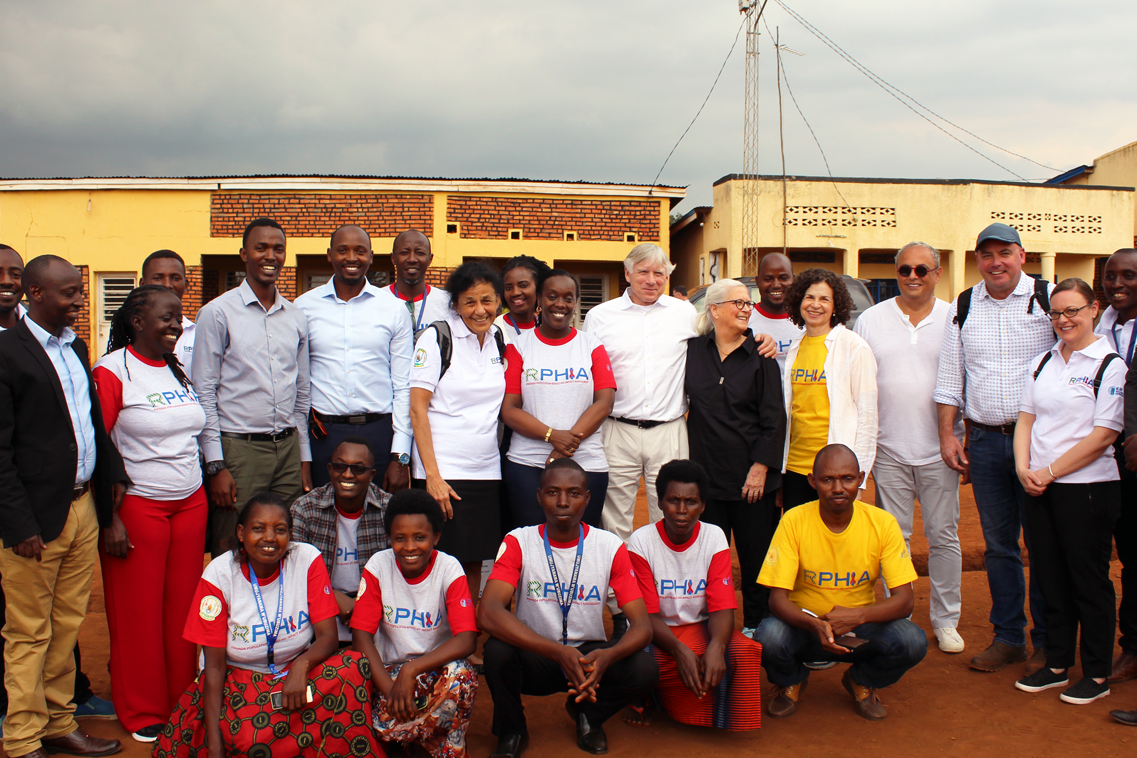
Columbia University President Lee C. Bollinger got a firsthand look at the impact that ICAP has been making on the HIV epidemic when he recently traveled to Kenya and Rwanda, where ICAP’s longstanding partnerships and support have helped these countries achieve significant progress.
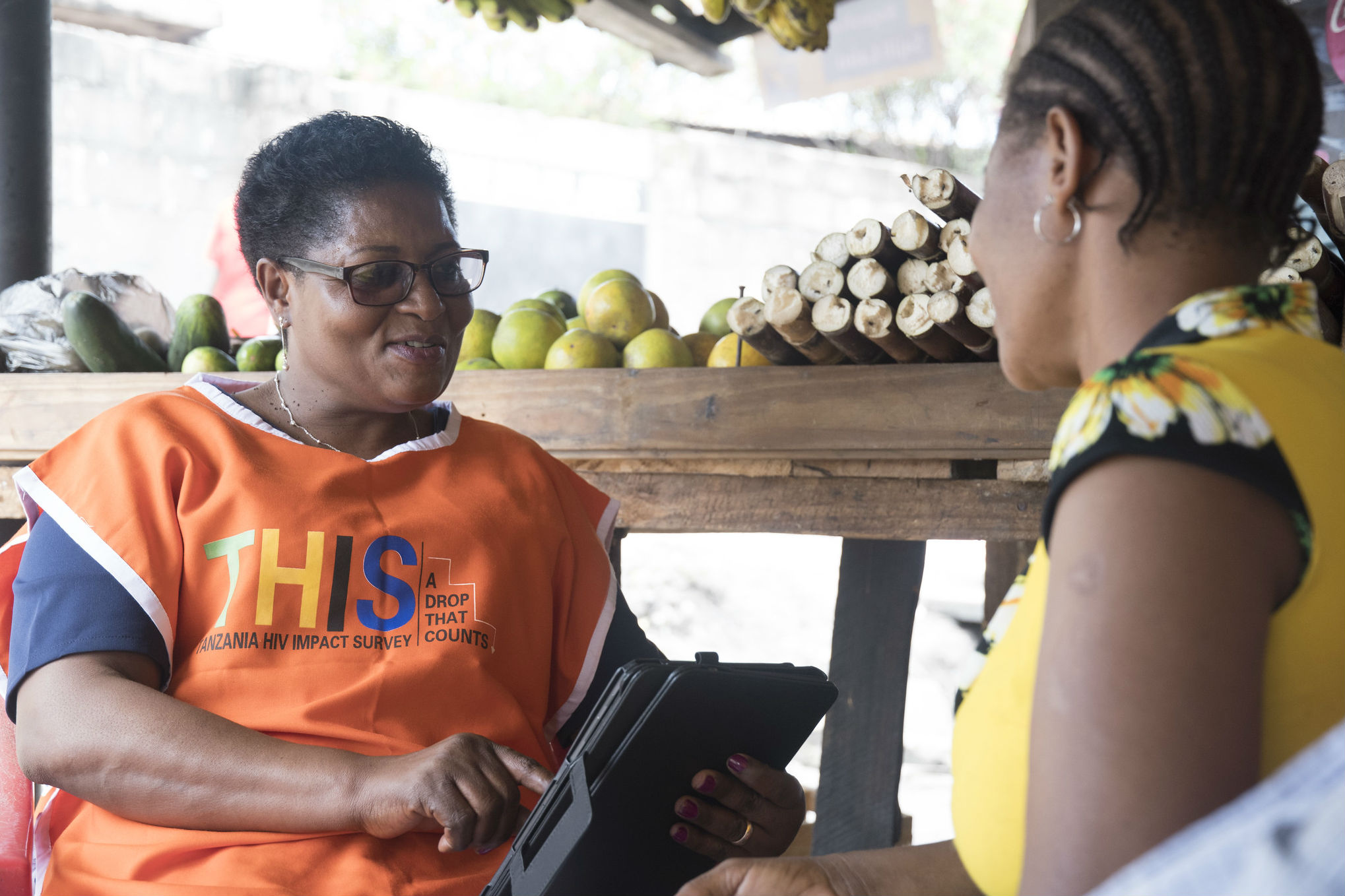
ICAP at Columbia University has been awarded a $50 million grant from the U.S. Centers for Disease Control and Prevention (CDC) to conduct an extensive population survey effort in an array of countries and communities hardest hit by the global HIV epidemic.